



At SOHAM, environmental responsibility begins at sourcing and continues through manufacturing, packaging, and distribution.
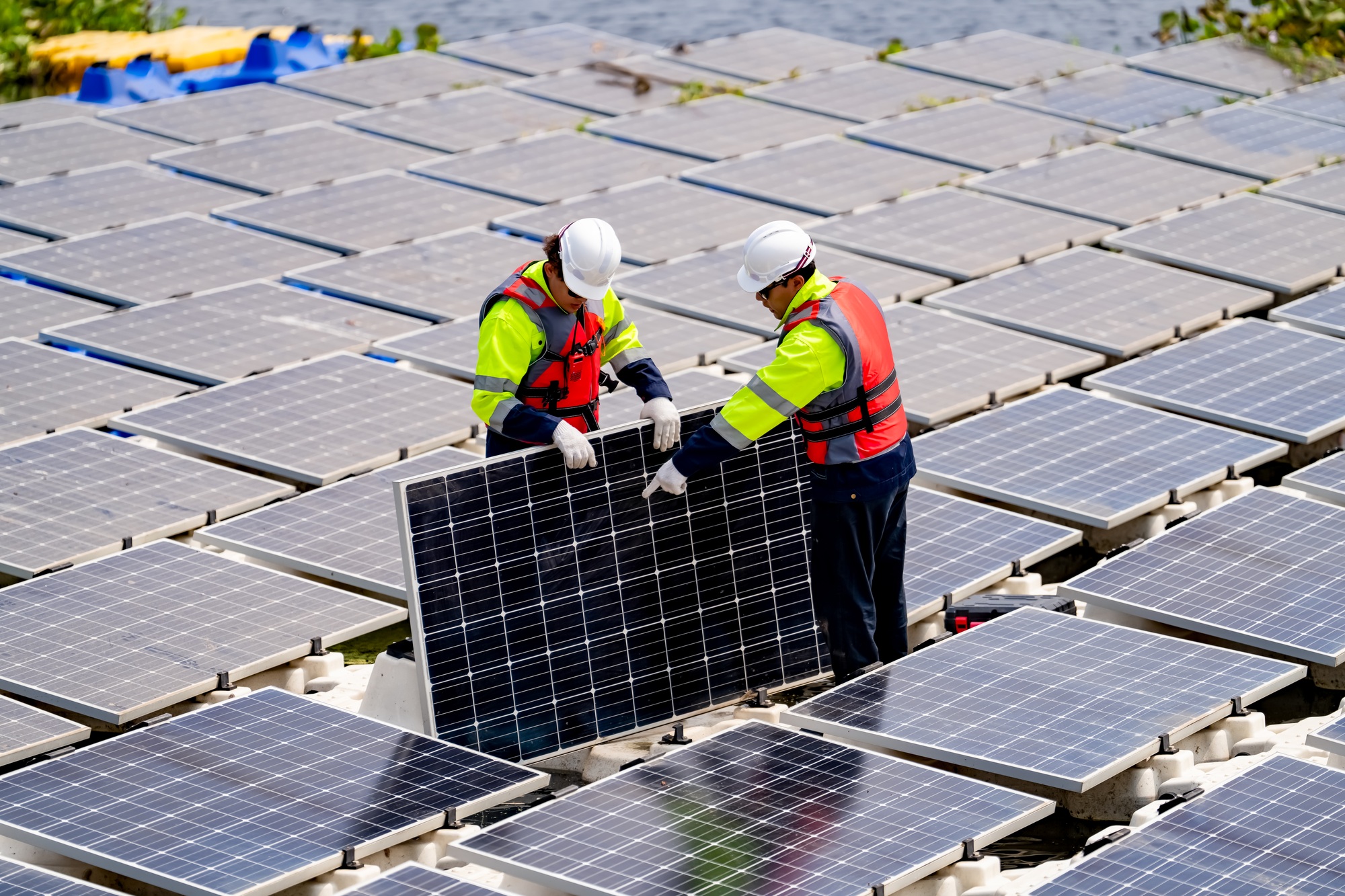
Our facilities are supported by large-scale solar energy systems that generate clean, renewable power on-site. This investment significantly lowers carbon emissions, reduces dependence on conventional energy, and strengthens our commitment to sustainable manufacturing.
We focus on reducing our environmental footprint through efficient resource use, waste minimization, emissions control, and continuous process improvements across our operations.
Optimizing water, energy, and raw material usage
Minimizing waste through recycling and reuse
Monitoring and reducing environmental impact
Continuous upgrades for cleaner production
We are committed to reducing our carbon footprint and aligning operations with global climate responsibility standards.
• Direct procurement of seeds/kernels from rural and tribal communities
• Promotion of sustainable agricultural practices
• Reduction of intermediaries to improve traceability
• Energy optimization across facilities
• Water conservation and responsible discharge management
• Continuous reduction of non-hazardous waste
• Moving towards Zero-waste manufacturing initiatives
• No hazardous raw materials or preservatives
• Safe, eco-compatible product formulations
• Environmentally conscious packaging strategies
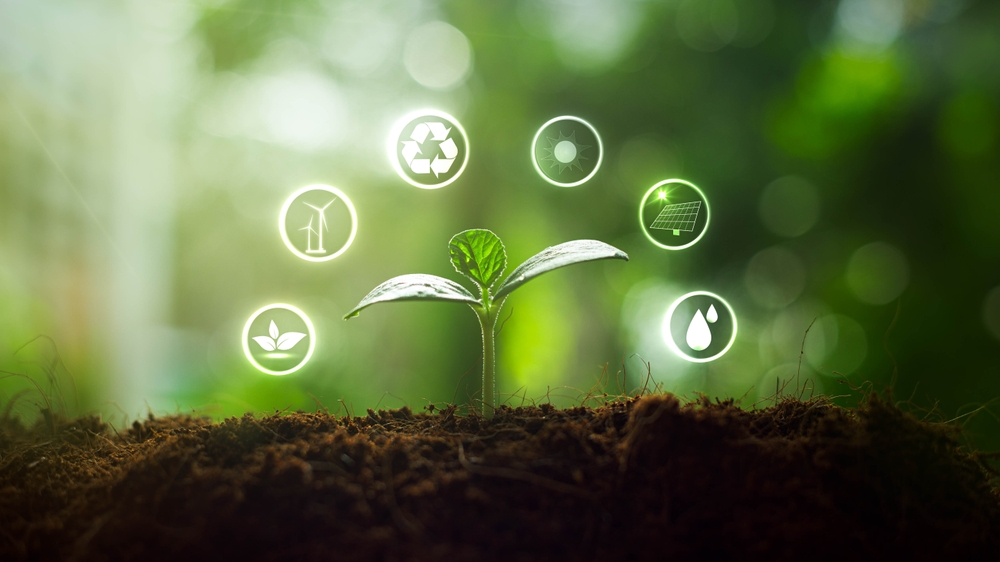
At SOHAM Group, environmental responsibility is not an obligation — it is a core business principle. As a company working with natural raw materials and plant-based resources, we recognize our direct connection to the ecosystem. Our long-term success depends on the health of the environment, and therefore we integrate sustainability into every stage of our value chain — from sourcing and processing to packaging and distribution.
We believe industrial progress must coexist with environmental preservation. Our Environmental Stewardship framework is designed to minimize ecological impact, optimize natural resource utilization, and contribute positively to climate resilience.
Environmental responsibility begins at the source.
We directly procure seeds and kernels from rural and tribal communities, reducing multi-layer supply chains and ensuring better traceability. By encouraging responsible harvesting practices and minimizing over-extraction, we help maintain biodiversity and soil health. Our sourcing philosophy prioritizes renewable, plant-based materials that support regenerative agricultural ecosystems.
Through close engagement with farmers, we promote:
Our objective is to create a supply network that strengthens both environmental balance and rural livelihoods.
We continuously optimize our manufacturing processes to reduce environmental footprint while maintaining high product quality standards.
Our operational focus includes:
Energy Management
Water Stewardship
Waste Minimization
Since no hazardous raw materials, preservatives, or toxic intermediates are used in our production processes, hazardous waste generation is minimized, supporting a safer and cleaner production environment.
Our product development strategy aligns with environmental responsibility.
We prioritize:
Every product is designed with life cycle awareness — considering environmental impact from raw material extraction to end use.
We are also progressively evaluating:
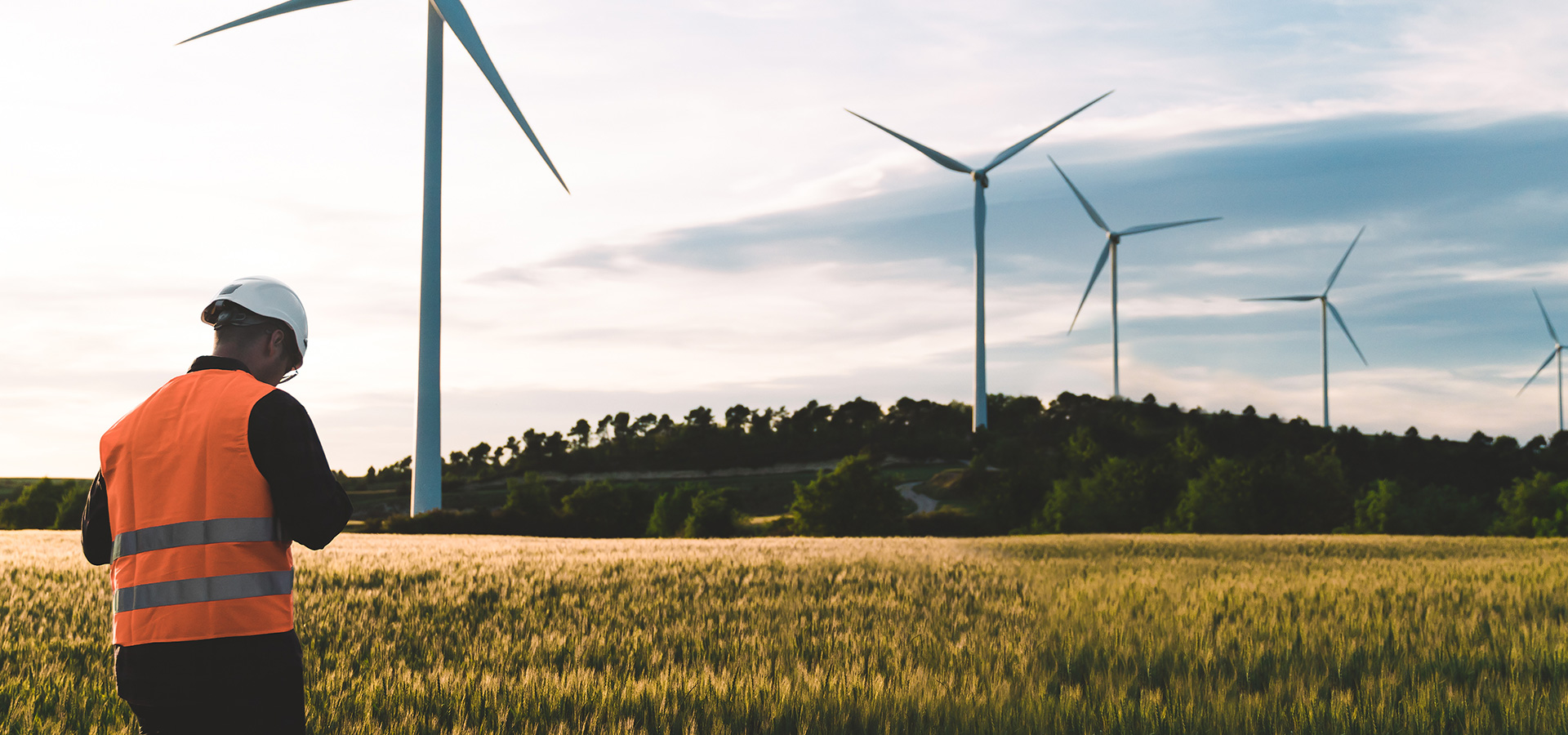
Recognizing global climate challenges, SOHAM Group is committed to reducing greenhouse gas intensity through:
Our long-term goal is to align operations with evolving global climate expectations while maintaining operational resilience.
Environmental stewardship at SOHAM is a continuous journey. We regularly review our environmental performance metrics, identify improvement opportunities, and integrate sustainability targets into operational planning.
Leadership oversight ensures that environmental objectives are:
We view environmental responsibility not as a compliance requirement but as a commitment to future generations.
At SOHAM Group, sustainability is embedded in our DNA. We honour nature by working with it responsibly, not exploiting it. Our goal is to build a manufacturing ecosystem that respects biodiversity, conserves resources, reduces emissions, and creates long-term environmental value.